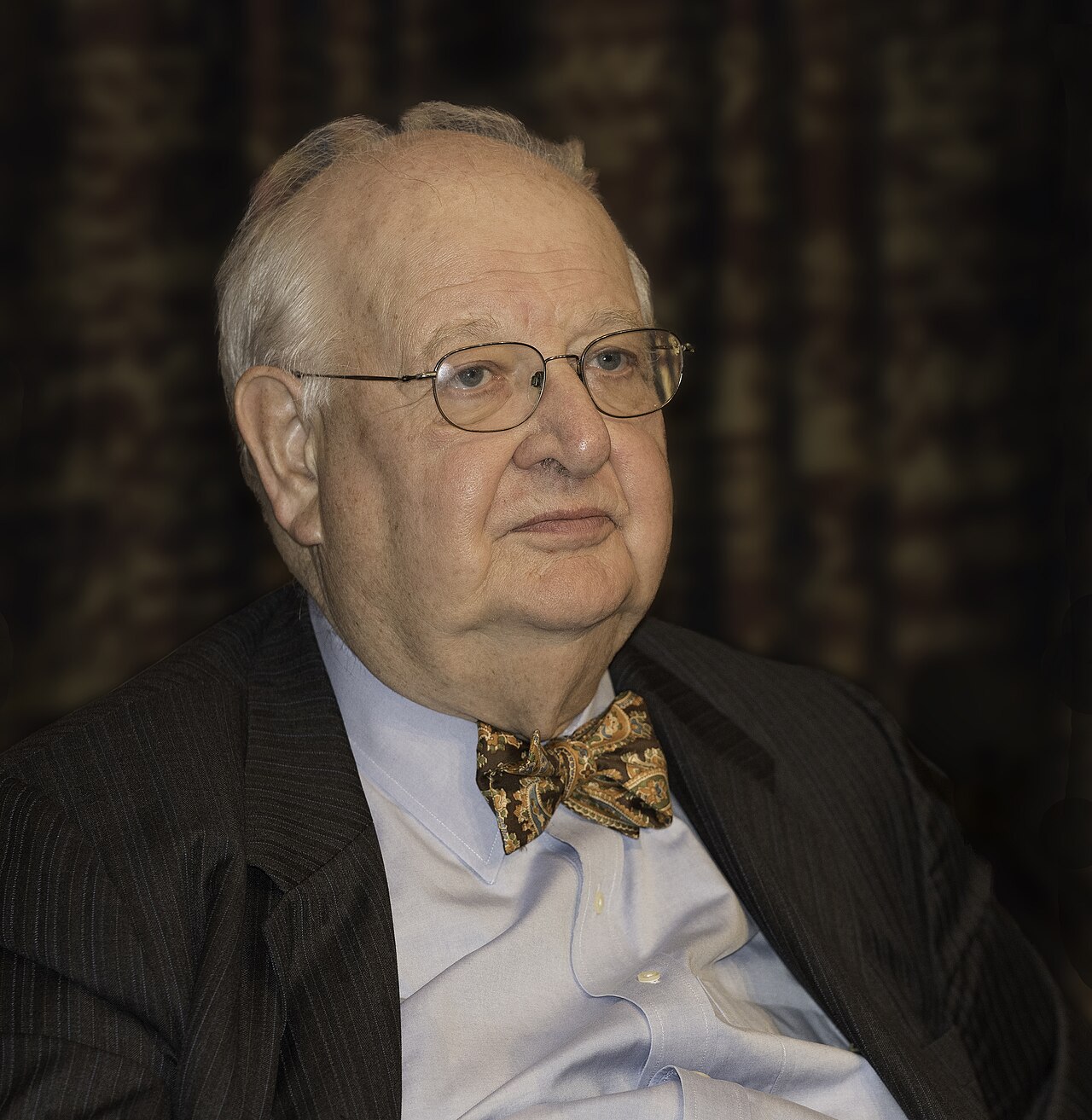
Angus Deaton Net Worth: Why Key Economic Sources Focus on His Mind, Not His Money
In today's digital age, it's common for people to search for the net worth of public figures, from celebrities and entrepreneurs to politicians and academics. When it comes to Angus Deaton net worth, a Nobel Memorial Prize laureate in Economic Sciences, the search often leads to an interesting discovery: a distinct lack of concrete figures in the very articles and discussions that celebrate his immense contributions to economics. While it's natural to be curious about the financial standing of influential individuals, the primary sources covering Deaton's work – academic journals, policy papers, and economic news outlets – consistently prioritize his intellectual legacy over his personal wealth.
This absence of "net worth" data in key economic discussions isn't an oversight. Rather, it underscores the nature of his impact. Angus Deaton's prominence stems from his groundbreaking research into consumption, poverty, and welfare, not from business ventures or personal financial disclosures. Our deep dive reveals why public financial figures for academics of his stature are rarely the focus, providing valuable context on how we assess the "worth" of such significant intellectual contributions.
The Nobel Laureate's True Riches: A Legacy in Economic Thought
Angus Deaton was awarded the Nobel Memorial Prize in Economic Sciences in 2015 for his "analysis of consumption, poverty, and welfare." This monumental achievement alone tells us where the focus truly lies when discussing Deaton. His work has profoundly shaped our understanding of how individuals make consumption choices, how to measure poverty more accurately, and how welfare policies affect different populations. These are the "riches" that economists, policymakers, and students of economics are most interested in when they engage with his work.
- Consumption Analysis: Deaton's early work explored how people distribute their spending over time, leading to a deeper understanding of economic cycles and household behavior. He developed demand systems that show how the demand for different goods depends on prices and incomes.
- Poverty and Inequality: A significant portion of his research has been dedicated to measuring and understanding poverty globally. His insights into household surveys have been crucial for international organizations in assessing living standards and designing effective aid programs. He has also been a vocal commentator on issues of global and national inequality, challenging conventional wisdom and providing data-driven perspectives.
- Health and Well-being: Beyond purely economic metrics, Deaton has also explored the intricate links between economic status, health outcomes, and overall well-being, particularly in developed nations like the United States.
When searching for Angus Deaton net worth, what you typically find instead are analyses of his methodologies, critiques of his findings, and discussions about the policy implications of his research. His influence is measured in the ideas he has propagated and the changes his work has inspired, not in the size of his investment portfolio.
Why Financial Details Aren't a Focus in Academic Circles
For individuals like Angus Deaton, whose primary contributions are intellectual and academic, their personal financial details are rarely public information or a topic of discussion in professional contexts. Unlike CEOs of publicly traded companies, politicians who file financial disclosures, or celebrities whose lives are often under a microscope, academics generally maintain a higher degree of financial privacy. There are several reasons for this:
- Nature of Profession: Academics are primarily compensated through salaries from universities, research grants, and potentially book royalties or consulting fees. These income streams, while respectable, are not typically discussed in terms of "net worth" in the same way as entrepreneurs building multi-million dollar companies.
- Public Interest vs. Public Good: The public interest in an academic like Deaton lies in his research and its societal impact. His personal finances have no bearing on the validity or importance of his economic theories. The value he provides is intellectual, a public good, rather than financial.
- Privacy Expectations: There is a general expectation of privacy regarding personal finances within the academic community. Unless there's a specific reason for disclosure (e.g., conflicts of interest in research funding), such details are considered private.
- Focus on Ideas: Academic discourse thrives on the exchange of ideas and evidence. Introducing personal financial status would often be seen as irrelevant, and potentially distracting, from the substantive arguments being made.
This pattern holds true across various institutions that discuss his work. For instance, an interview transcript from the Council on Foreign Relations, which might delve into his views on foreign aid and inequality, would focus on his expert opinions and analysis, not his financial standing. Similarly, articles from VoxUkraine discussing his Nobel Prize win would highlight his contributions to economic science, not his personal bank account. This consistent approach across reputable sources reinforces the idea that an academic's 'worth' is fundamentally intellectual.
Understanding "Worth" Beyond Monetary Figures
When we ponder the "net worth" of a figure like Angus Deaton, it offers an opportunity to reflect on what constitutes true value and impact. While monetary wealth is one form of societal contribution, the intellectual capital and public service provided by leading academics are arguably far more enduring and universally beneficial. Deaton's work has provided governments with better tools to fight poverty, given economists new frameworks to understand consumer behavior, and offered a more nuanced perspective on global inequality.
Consider the practical implications of his research:
- Improved Poverty Measurement: His work has helped refine the way international bodies and national governments measure poverty, leading to more targeted and effective interventions.
- Better Policy Design: Insights from his consumption analysis aid in designing fiscal policies, understanding inflation, and predicting economic downturns.
- Informed Public Debate: Deaton consistently contributes to public discourse on critical issues like foreign aid, inequality, and health economics, arming the public with data-driven perspectives to challenge misconceptions.
In essence, his "net worth" could be measured in the millions of lives potentially improved by better-informed policies, the countless students inspired by his theories, and the enduring intellectual legacy he leaves for future generations of economists. This is a form of wealth that transcends any personal bank balance.
Navigating the Search for Public Figures' Wealth
For those interested in the financial standings of public figures, it's helpful to understand where such information is typically found and why it might be absent in other contexts:
- Public Records: For politicians or high-ranking government officials, financial disclosures are often public by law to ensure transparency and prevent conflicts of interest.
- Business Executives: For CEOs and executives of publicly traded companies, their compensation, stock holdings, and sometimes even estimated net worth are often reported in annual proxy statements (10-K filings) due to regulatory requirements.
- Celebrity and Entertainment Media: For actors, musicians, and athletes, net worth estimates are frequently published by specialized media outlets that track endorsement deals, film salaries, album sales, and other income streams. These figures are often estimates and can vary widely.
- Academics and Researchers: As discussed, for figures primarily in academia, direct information about their personal net worth is rarely publicly disclosed or tracked by reputable sources, as it's not relevant to their professional contributions. Their financial details are largely private, similar to most private citizens.
Therefore, when searching for specific financial figures for someone like Angus Deaton, you are likely to encounter the same challenge: academic and reputable economic sources will focus on his intellectual output and societal contributions, precisely because these are his public roles and the true measure of his significance.
Conclusion: The Enduring Value of Intellectual Contribution
The query "Angus Deaton net worth" consistently leads not to financial statements, but to a rich body of work that has profoundly influenced economic thought and policy worldwide. It serves as a reminder that for certain public figures, particularly those dedicated to academic and intellectual pursuits, their true value is not encapsulated by monetary figures. Instead, it resides in their ideas, their research, and their enduring impact on society. Angus Deaton's legacy is defined by his Nobel Prize-winning insights into consumption, poverty, and welfare, making his intellectual wealth far more significant and publicly accessible than any personal financial disclosure could ever be.
